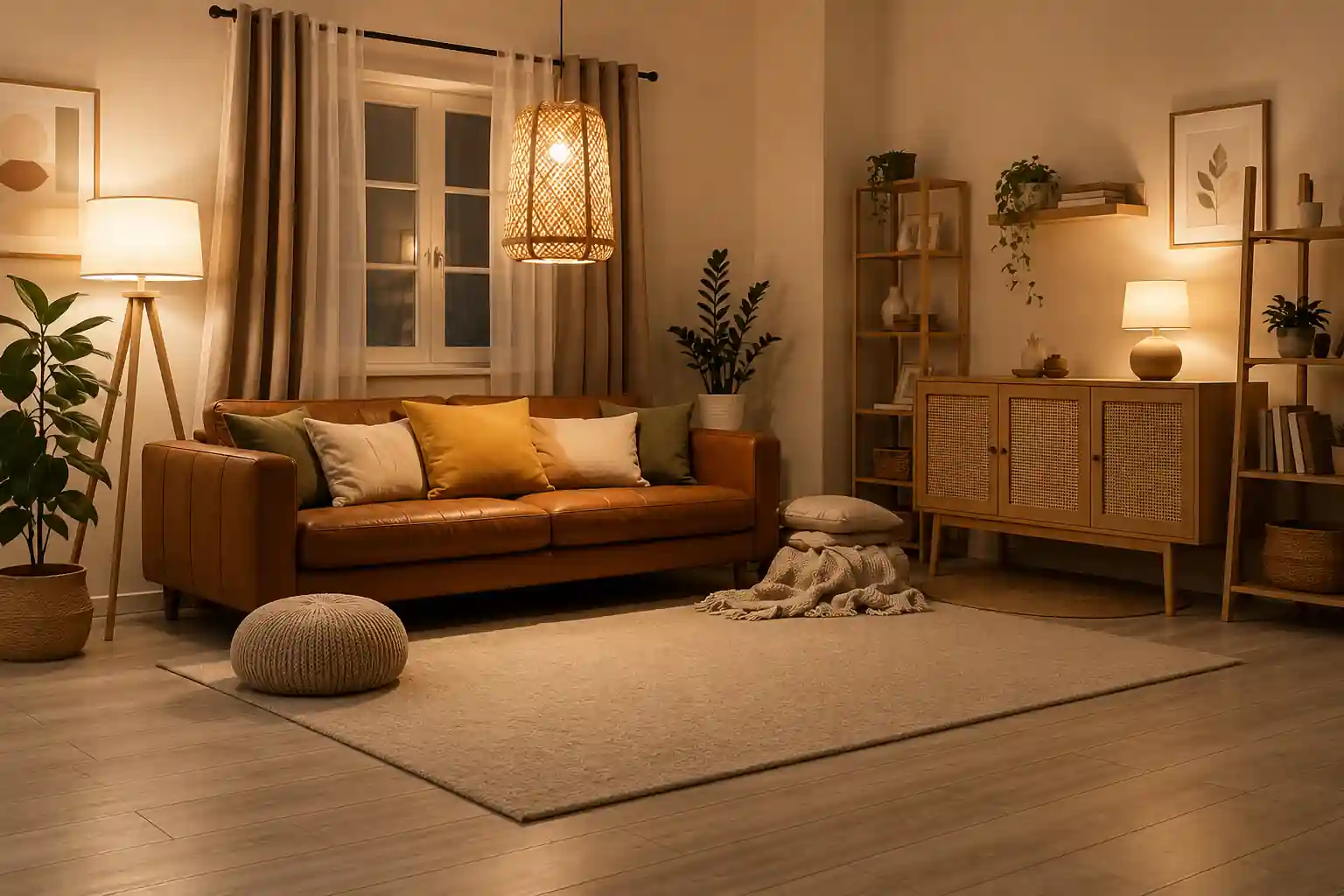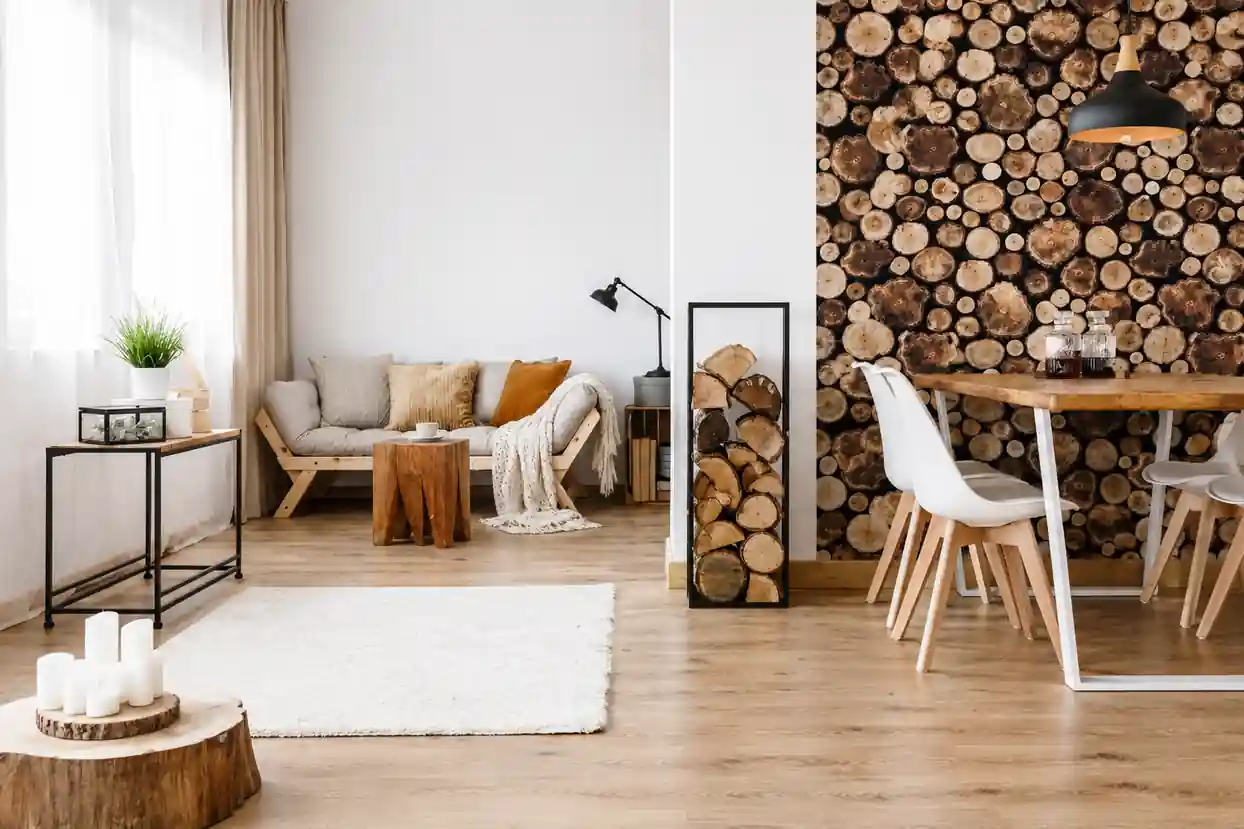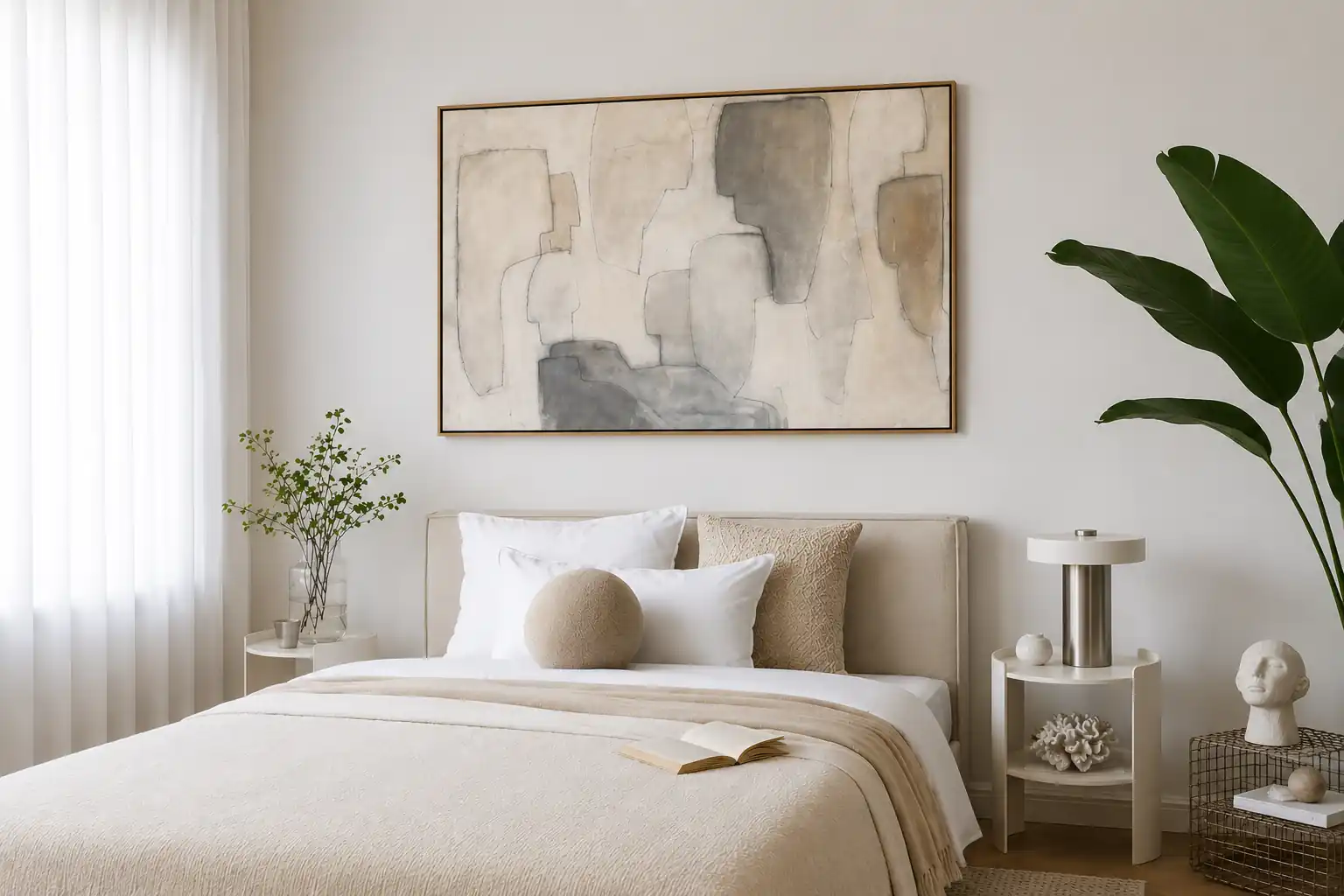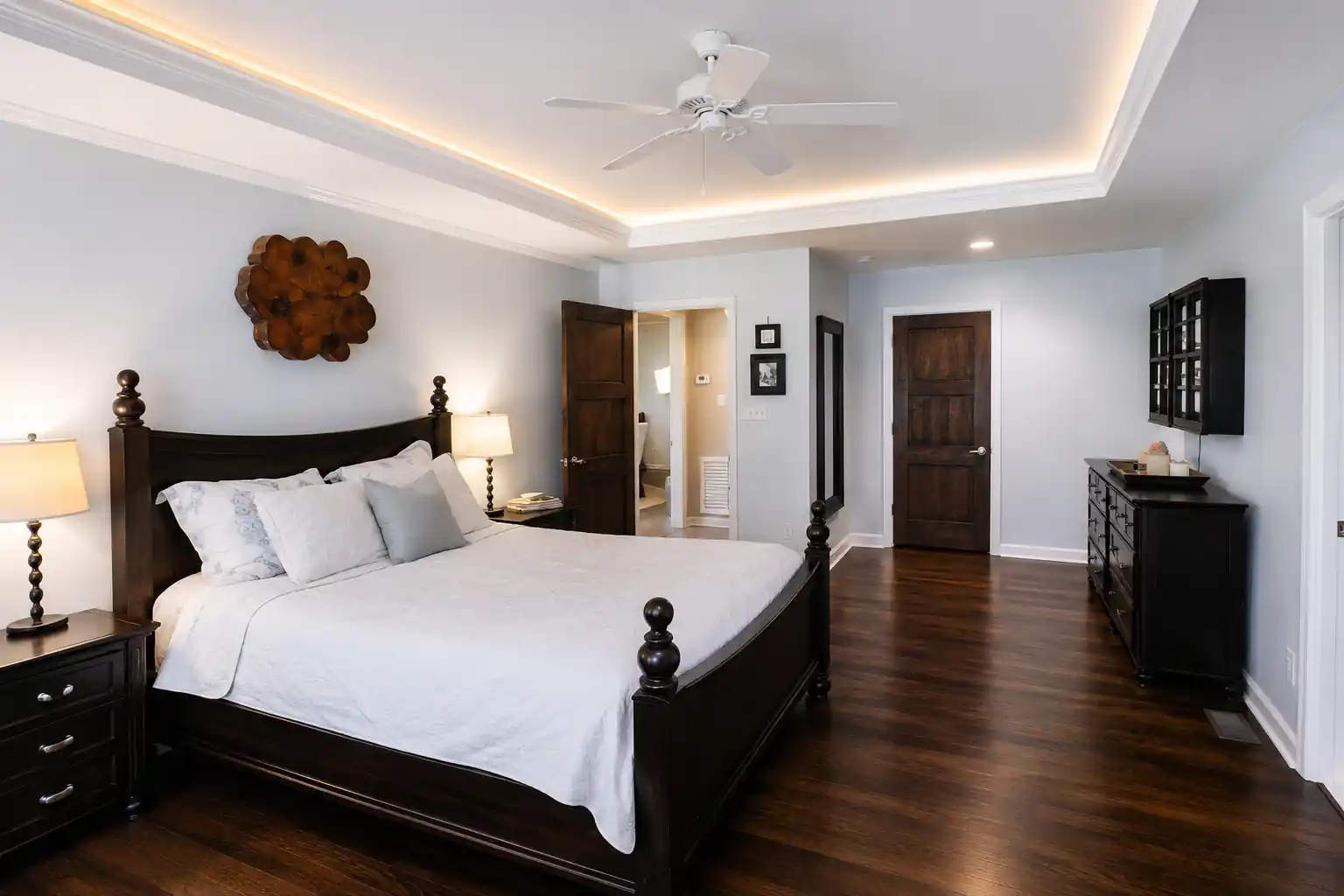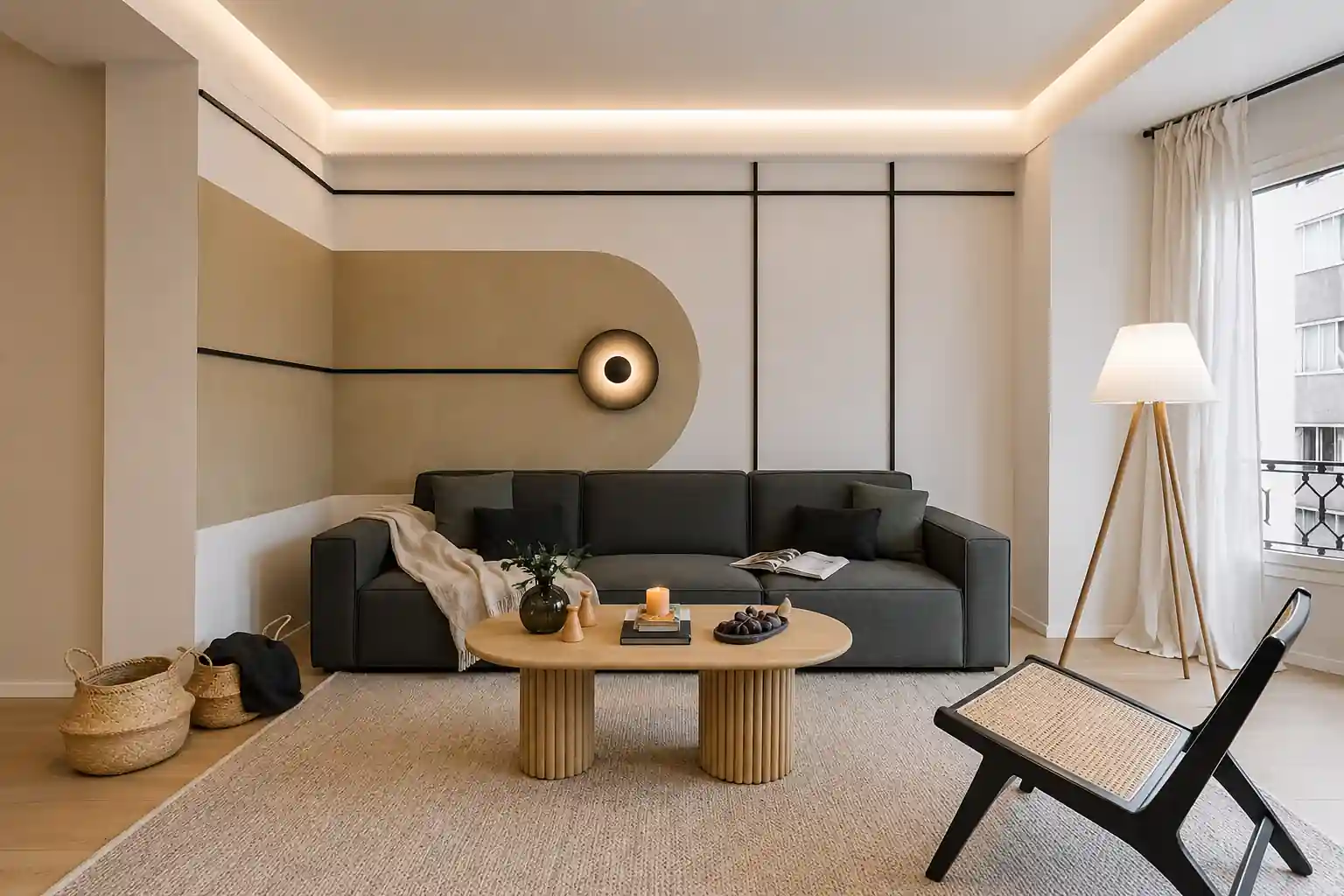
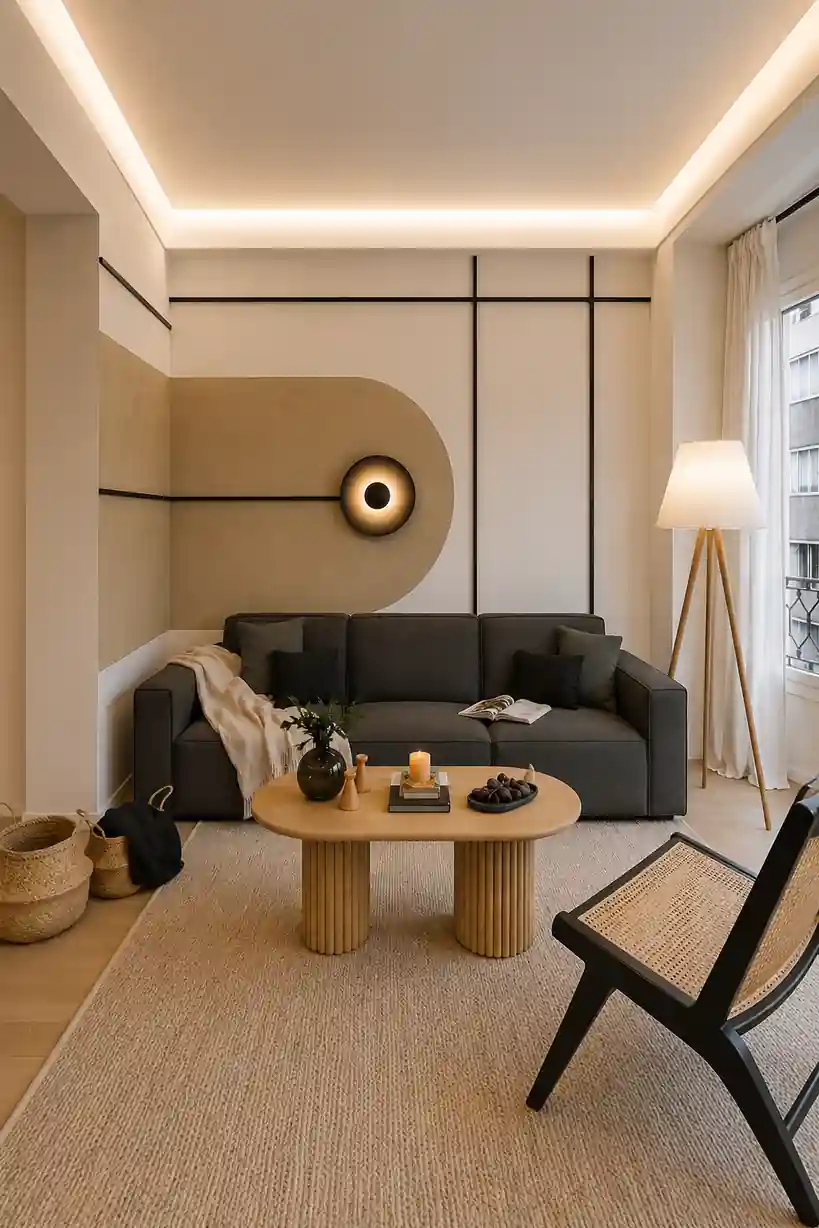



If you’ve been wondering whether minimalist interior design still holds up in 2026, the short and simple answer is a resounding yes. However, it is important to note that minimalist interior design should not be confused with stark, empty rooms. The style has moved on from bare walls and clinical white boxes to something warmer and more livable. What you want is a home that feels lived-in and personal without filling it with a gaudy collection of unnecessary furniture.
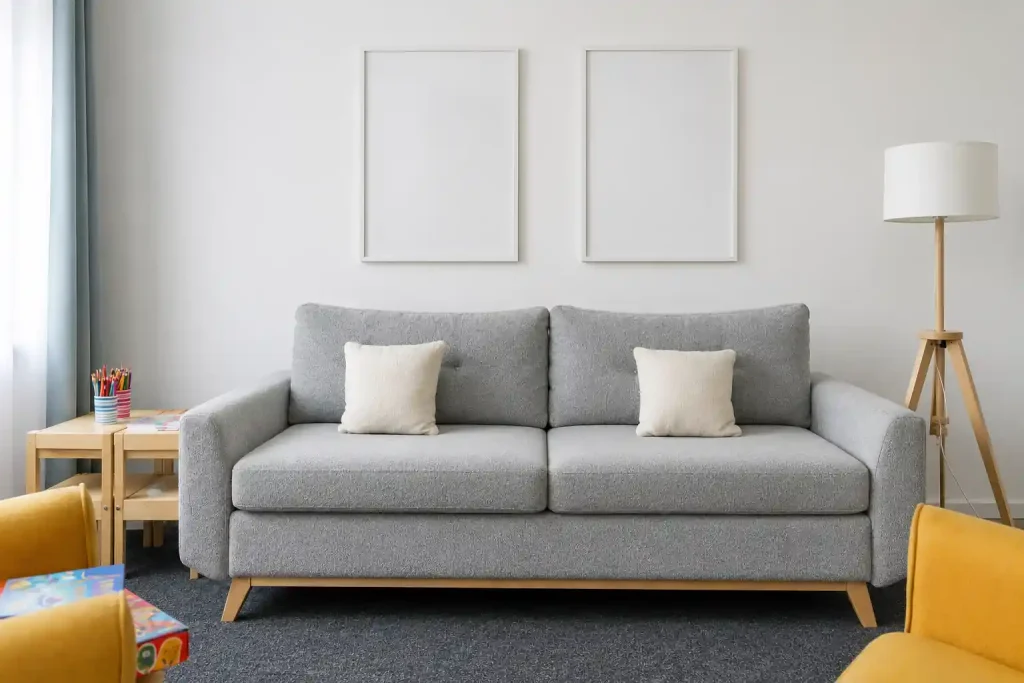
Minimalist style is about intentionality with fewer objects, cleaner lines, and open, breathable space. Minimalist interior design is not about having nothing at all; rather, it is about removing what doesn’t add value so that the things that remain are functional and aesthetically important.
Modern minimalist interior design in 2026 has softened, without losing the clean-lined bones that defined it. The shift mainly shows up in three areas.
Instead of stark white walls and glossy surfaces, homeowners are choosing earthy tones and creamy neutrals. Textured materials are also making a comeback, with natural wood, honed stone, linen, and jute growing in popularity.
Lighting has moved from bright, shadowless setups to layered, warmer lighting that includes ambient, task, and accent lights rather than a single flat overhead bulb.
Homeowners now layer in a few meaningful objects: a textured throw, a handmade bowl, a single framed photograph. This is what’s often called ‘warm minimalism’, where the finish feels human and personable.
Cozy Living Room Interior Design Stock Photo 2687892931 | Shutterstock
Part of the reason this style has stuck around is its practicality. In a compact 2BHK, every square foot has to work harder, and clutter makes a small space feel smaller still.
A weekday morning can involve getting the kids ready for school, finding the car keys, and wiping down a kitchen counter. Less visual noise makes your routine calmer and reduces obstructions to completing each task.
Clutter tends to collect in the same predictable spots in almost every home:
A minimalist layout, with storage built into the plan from the start, keeps these collision points from taking over the house.
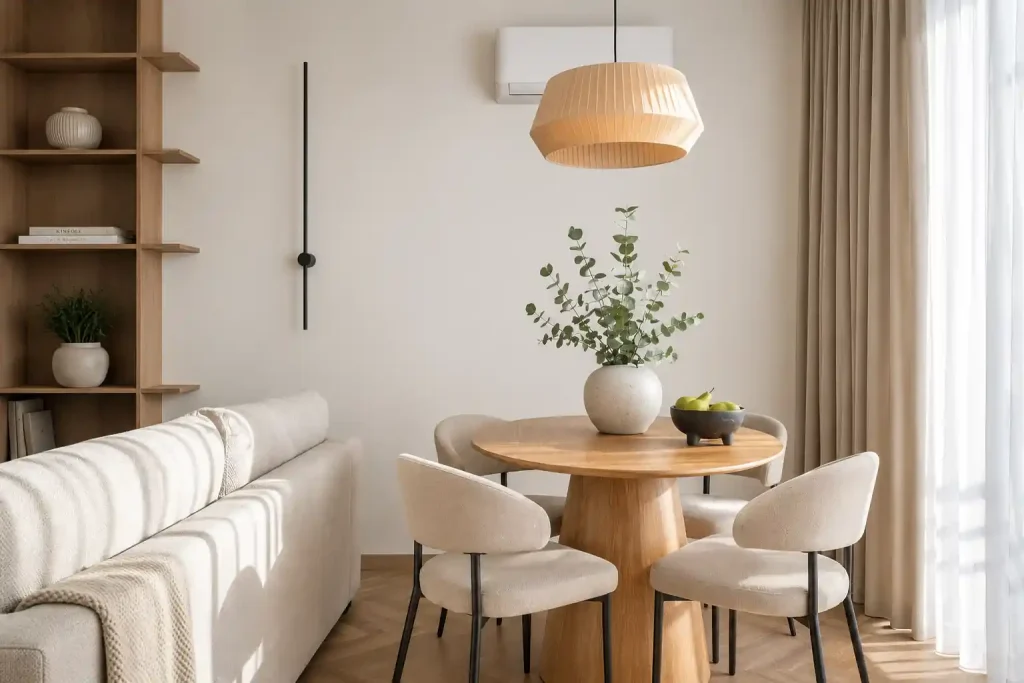
Good minimalist design ideas start with function, not colour:
These choices matter for family routines too. For example, a child’s study corner works better with a clean desk and closed shelving than with an open bookshelf collecting loose papers.
The biggest mistake homeowners make with minimalist style is confusing “minimal” with “empty”:
At Bonito Designs, minimalist interior design is approached through our LifeDesign philosophy, which starts with how a family actually lives. Your morning routines, the places where clutter collects, and how your kids study… these are the core facts that matter during interior design. Beautiful aesthetics only work when they complement a house that feels worth living in.
Our in-house design and execution teams carry every decision through accurately. Backed by ISO-certified quality standards, the journey is managed end-to-end:
Minimalist interior design is still alive in 2026, and Bonito Designs knows how to deliver a minimalist home that is simple without feeling empty or boring. If you want a minimalist interior design that can truly enhance your home, consider contacting Bonito Designs for a comprehensive plan.
Yes, minimalist interior design remains popular in 2026. However, it now focuses on warm colours, natural materials, practical storage, and personal touches instead of stark, empty spaces.
Warm minimalism combines clean lines and uncluttered layouts with earthy colours, wood, linen, textured fabrics, soft lighting, and a few meaningful decorative objects.
Yes, minimalist design works especially well in compact apartments because it reduces visual clutter, improves movement, and uses multifunctional furniture and hidden storage efficiently.
Cream, beige, warm white, greige, muted brown, and soft earthy tones work well in minimalist homes. These colours create a calm and cohesive look without making the space feel clinical.
Use layered lighting, textured materials, comfortable furniture, natural wood, soft furnishings, and a few meaningful décor pieces to add warmth without creating clutter.